
Tanzania Safari Guide: Everything You Need to Know Before You Go
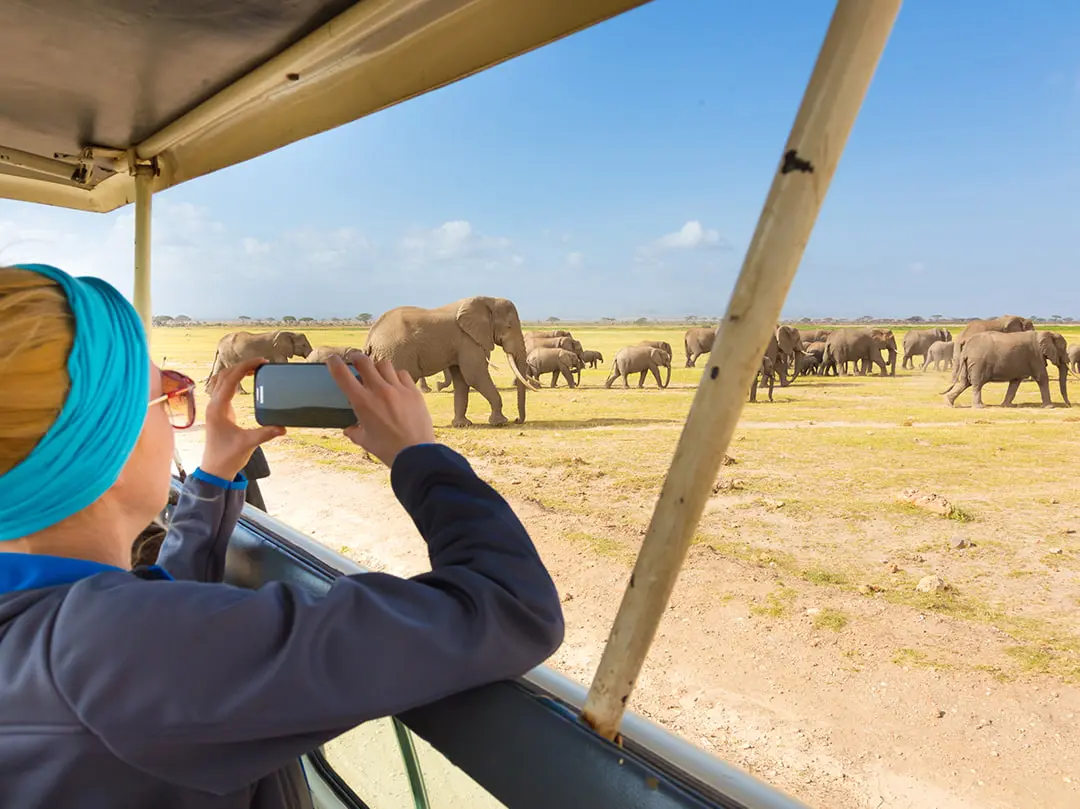
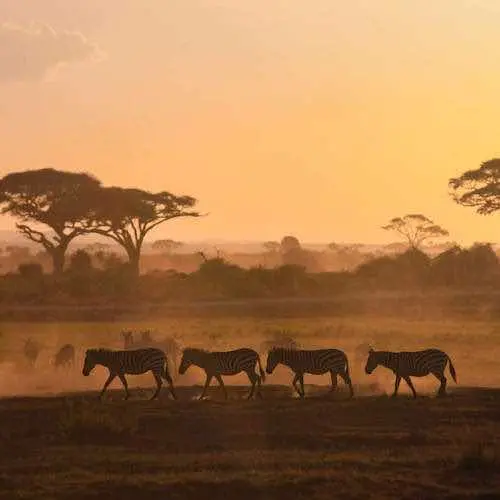
Few travel experiences compare to the magic of a Tanzania safari. Imagine watching elephants cross golden plains at sunrise, hearing lions roar in the distance as night falls, or witnessing millions of wildebeest move in unison across the Serengeti. Tanzania doesn’t just offer wildlife viewing—it delivers raw, unforgettable moments that stay with you long after the journey ends.
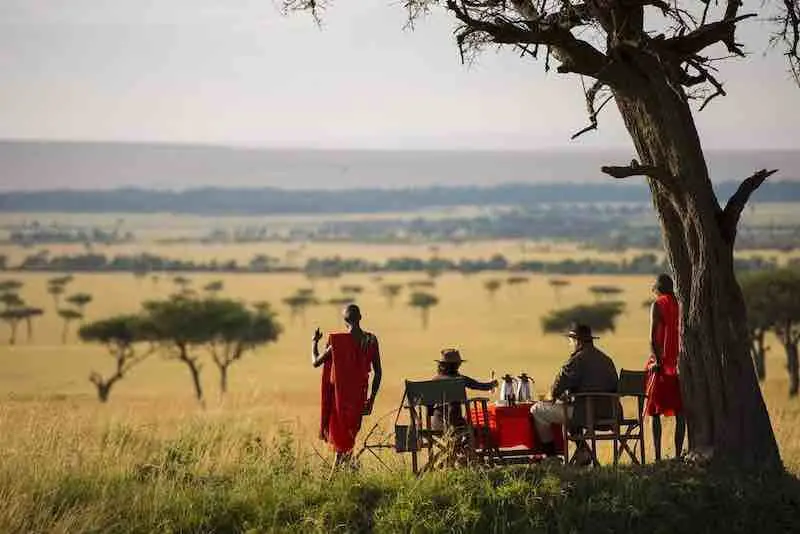
Whether you’re planning your first African safari or refining your dream itinerary, this Tanzania safari guide will walk you through everything you need to know before you go. From the best time to visit and top national parks to costs, wildlife, and practical travel tips, this guide is designed to help you plan with confidence and excitement.
Why Tanzania Is One of Africa’s Best Safari Destinations
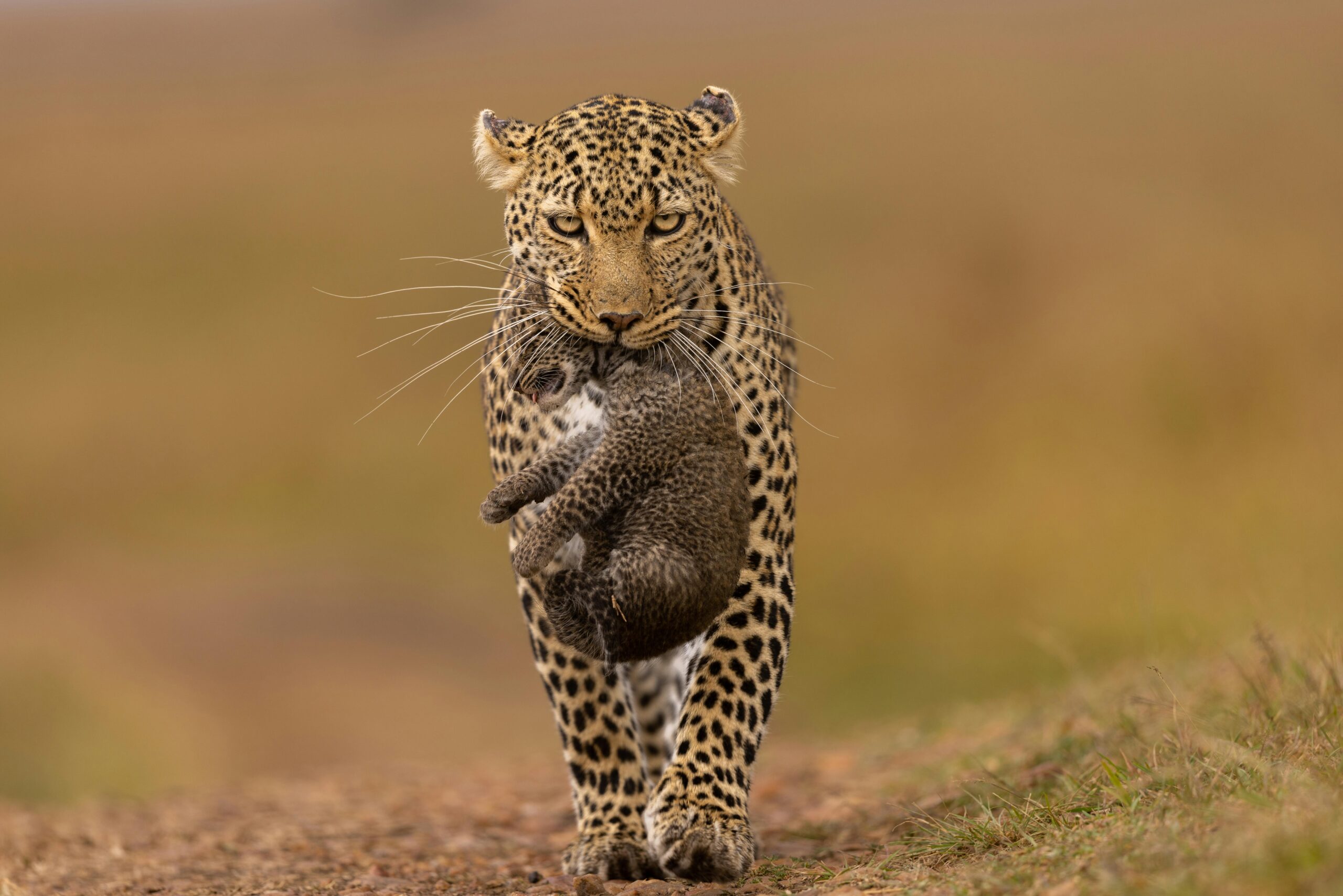
Tanzania has earned its reputation as one of the world’s greatest safari destinations for a simple reason: it offers extraordinary wildlife in vast, protected landscapes that still feel wild and untouched. The country is home to some of Africa’s most iconic ecosystems, many of which remain remarkably well preserved.
What truly sets Tanzania apart is variety. In a single trip, you can explore the endless plains of the Serengeti, descend into the wildlife-filled Ngorongoro Crater, and stand beneath ancient baobab trees in Tarangire National Park. The density of animals is exceptional, and sightings feel natural rather than staged. Add to this a long tradition of professional safari guiding, and you have a destination that consistently delivers world-class experiences.
Best Time to Visit Tanzania for Safari
One of the most common questions travelers ask is when to go on a Tanzania safari. The truth is, Tanzania is a year-round destination, but different seasons offer different advantages.
The dry season, which runs from June to October, is widely considered the best time for wildlife viewing. During these months, vegetation is sparse and animals gather around rivers and waterholes, making them easier to spot. The weather is pleasant, and this period coincides with some of the most dramatic moments of the Great Migration.
The green season, from November to May, tells a different story. The landscapes are lush and vibrant, skies are dramatic, and there are fewer safari vehicles in the parks. This is also calving season in the southern Serengeti, where thousands of wildebeest give birth—a powerful and emotional wildlife experience. For travelers seeking fewer crowds and better value, this time of year can be incredibly rewarding.
Tanzania’s Most Iconic Safari Parks
Serengeti National Park
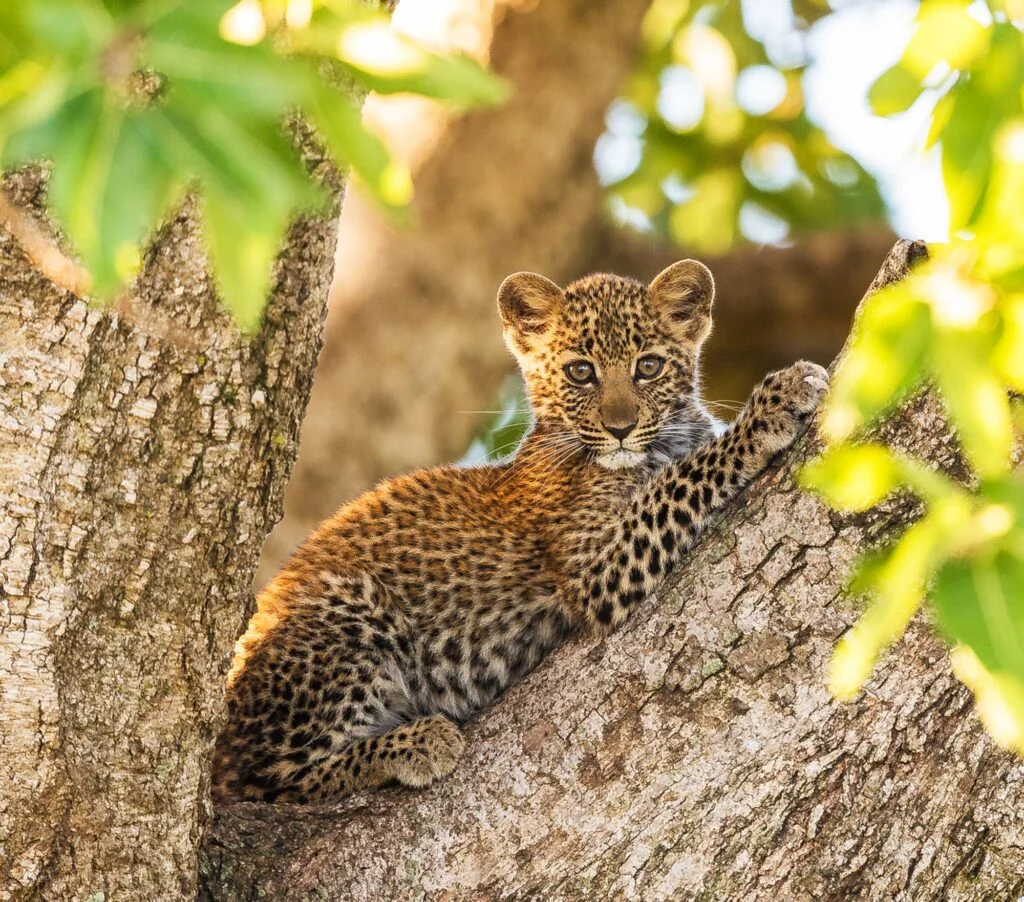
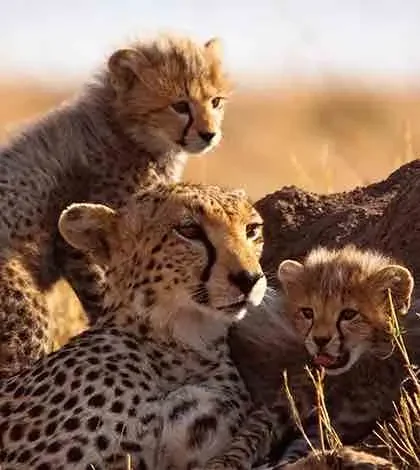
The Serengeti is the heart of Tanzania’s safari circuit and one of the most famous wildlife areas in the world. Its vast open plains support an extraordinary concentration of animals year-round, including large prides of lions, cheetahs, leopards, and massive herds of herbivores.
The park is best known for the Great Wildebeest Migration, a continuous, circular movement of over two million animals in search of fresh grazing. Depending on the time of year, visitors may witness river crossings, calving season, or dramatic predator encounters. Every visit to the Serengeti feels different, which is what makes it so special.
Ngorongoro Crater
The Ngorongoro Crater is a natural wonder unlike anywhere else in Africa. Formed by a collapsed volcanic caldera, the crater floor hosts an astonishing concentration of wildlife within a relatively small area. This makes it one of the best places in Tanzania to see a wide variety of animals in a single game drive.
Lions, elephants, hippos, and buffalo are common sights, and the crater is one of the most reliable places to spot the endangered black rhinoceros. Beyond the wildlife, the scenery alone is worth the visit—standing on the crater rim at sunrise is an unforgettable experience.
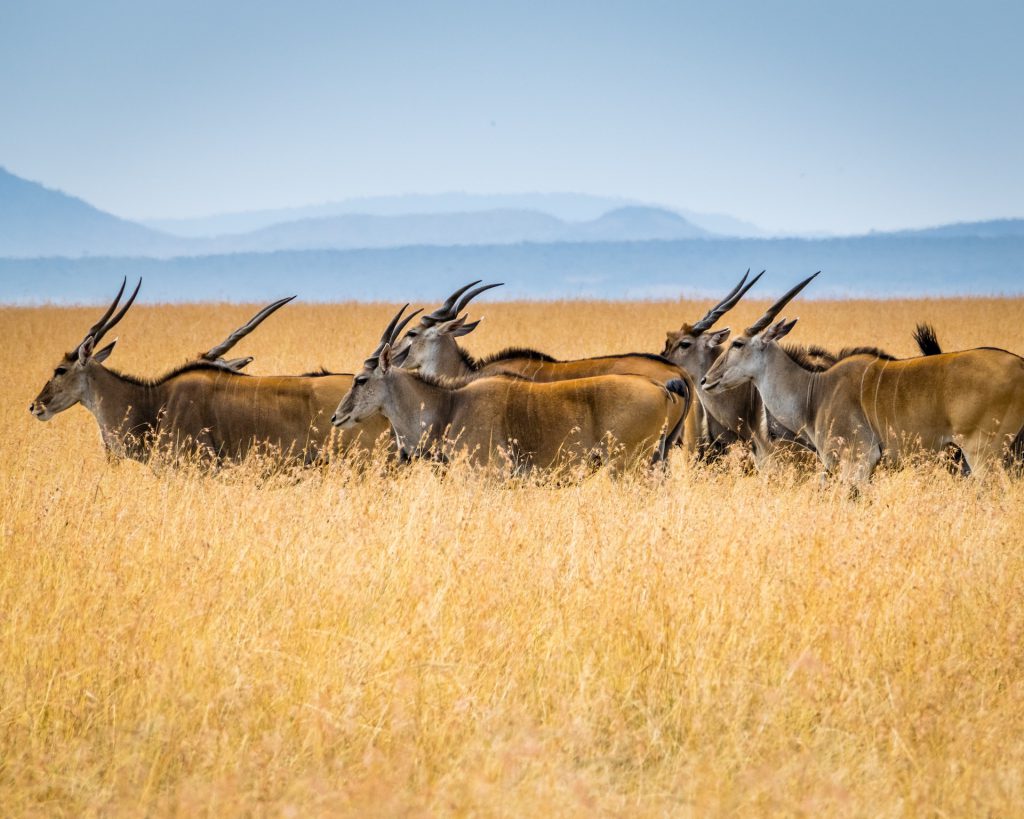
May: End of the Rains and Improving Conditions
By May, the rains begin to taper off, and conditions slowly improve. The landscape remains green, but roads become more accessible, and wildlife viewing gets better as animals start moving toward drier areas.
This is a transition month with fewer visitors and competitive rates.
Best for: Value-focused safaris, peaceful travel
Weather: Mild temperatures, occasional showers
June: Start of the Dry Season and Migration Movement
June marks the beginning of the dry season and one of the best times to visit Tanzania. Wildlife starts concentrating around water sources, and the Great Migration begins moving north through the Serengeti.
Visibility improves significantly, and safari conditions are excellent.
Best for: General wildlife viewing, Great Migration
Weather: Cool mornings, dry days
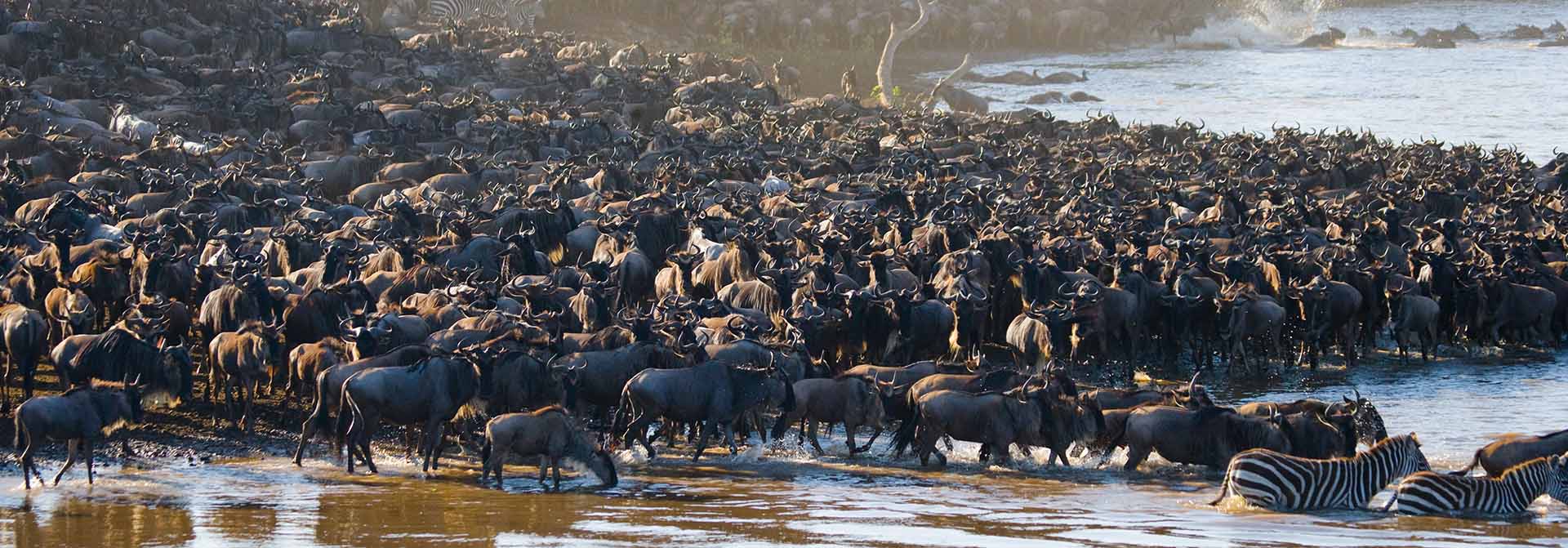
July: Peak Safari Season Begins
July is one of the most popular months for Tanzania safaris. The dry weather, excellent game viewing, and dramatic migration river crossings in the western Serengeti draw visitors from around the world.
Parks are busier, and prices are higher, but the experience is outstanding.
Best for: River crossings, Big Five sightings
Weather: Dry, cool evenings
August: Iconic Safari Experiences
August continues the peak season with consistently excellent wildlife viewing. The Great Migration is often seen crossing rivers, and predator sightings are common.
This is an ideal time for first-time safari travelers who want classic Africa scenes.
Best for: First-time safaris, migration drama
Weather: Dry, comfortable
September: Quiet Excellence
September offers many of the same benefits as August but with slightly fewer crowds. Animals are concentrated around limited water sources, making sightings frequent and predictable.
It’s also a great time to combine a safari with Zanzibar, as beach conditions are excellent.
Best for: Wildlife reliability, fewer crowds
Weather: Dry and warm
October: End of the Dry Season
September offers many of the same benefits as August but with slightly fewer crowds. Animals are concentrated around limited water sources, making sightings frequent and predictable.
It’s also a great time to combine a safari with Zanzibar, as beach conditions are excellent.
Best for: Wildlife reliability, fewer crowds
Weather: Dry and warm
November: Short Rains and Fresh Landscapes
November brings the short rains, usually in brief afternoon showers. The migration starts moving south, and the parks take on a fresh, green look.
This is a quieter time with good value and rewarding safari experiences for flexible travelers.
Best for: Value travel, migration movement
Weather: Warm with short rains
December: Festive Season and Great Scenery
December is a popular month due to holidays, especially in the second half. Wildlife viewing remains good, landscapes are green, and the migration returns to southern Serengeti.
It’s a festive and lively time, though prices and bookings peak around Christmas and New Year.
Best for: Holiday travel, scenic safaris
Weather: Warm, occasional showers
So, When Is the Best Time to Visit Tanzania?
So, When Is the Best Time to Visit Tanzania?
There is no single “perfect” month—only the best time for your travel style.
- For classic wildlife and dry weather, June to October is ideal.
- For migration calving and photography, January and February are outstanding.
- For fewer crowds and better value, the green season offers hidden gems.
A well-planned safari can be exceptional at any time of year.
Talk to our Tanzania safari expert to match the right month with your dream experience.