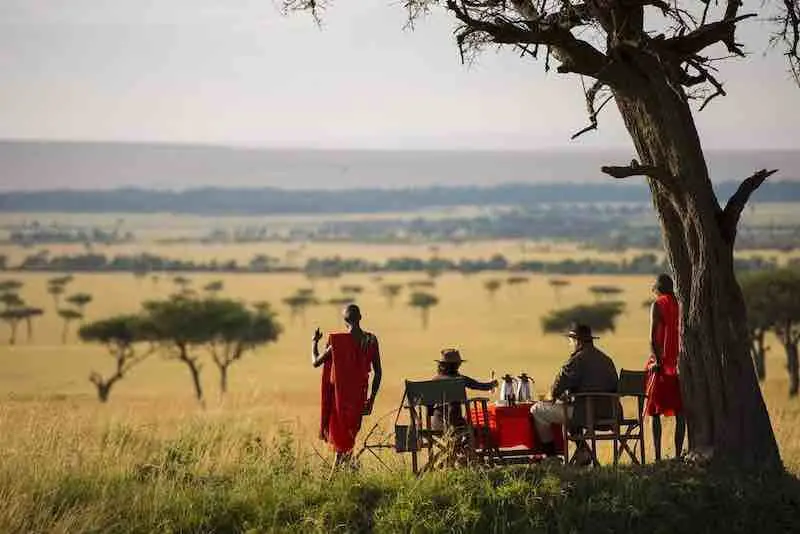

The Serengeti is not just Tanzania’s most famous national park—it is one of the greatest wildlife ecosystems on Earth. Stretching across endless golden plains, dotted with acacia trees and dramatic kopjes, the Serengeti delivers safari experiences that feel raw, powerful, and deeply moving.
From witnessing the Great Wildebeest Migration to tracking big cats across open savannah, a Serengeti safari offers moments that define what an African safari truly is. This guide explores the wildlife you can expect to see, explains how the Great Migration works, and helps you choose the best areas to stay based on the time of year and your travel style.
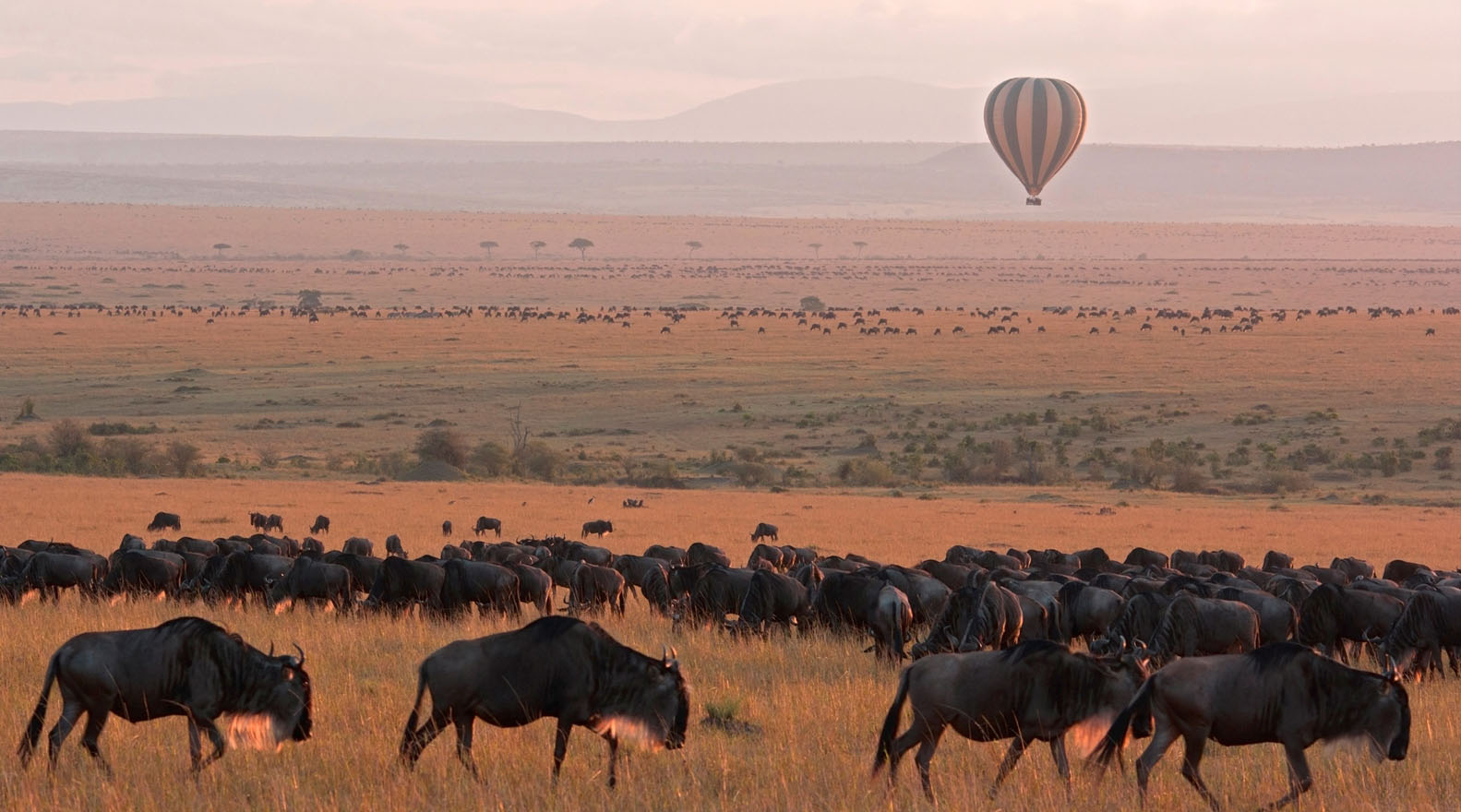
What sets the Serengeti apart is scale and continuity. The ecosystem remains largely unchanged, allowing wildlife to move freely in response to rain and grazing conditions. This natural rhythm creates extraordinary animal concentrations and authentic predator-prey interactions.
Unlike smaller parks where sightings can feel predictable, the Serengeti constantly changes. One day you may follow a lion pride stalking buffalo; the next, you might encounter a cheetah sprinting across the plains or hyenas competing over a fresh kill. Every game drive feels different—and that’s the magic.
The Serengeti supports one of the highest densities of wildlife in Africa, making sightings frequent and diverse throughout the year.
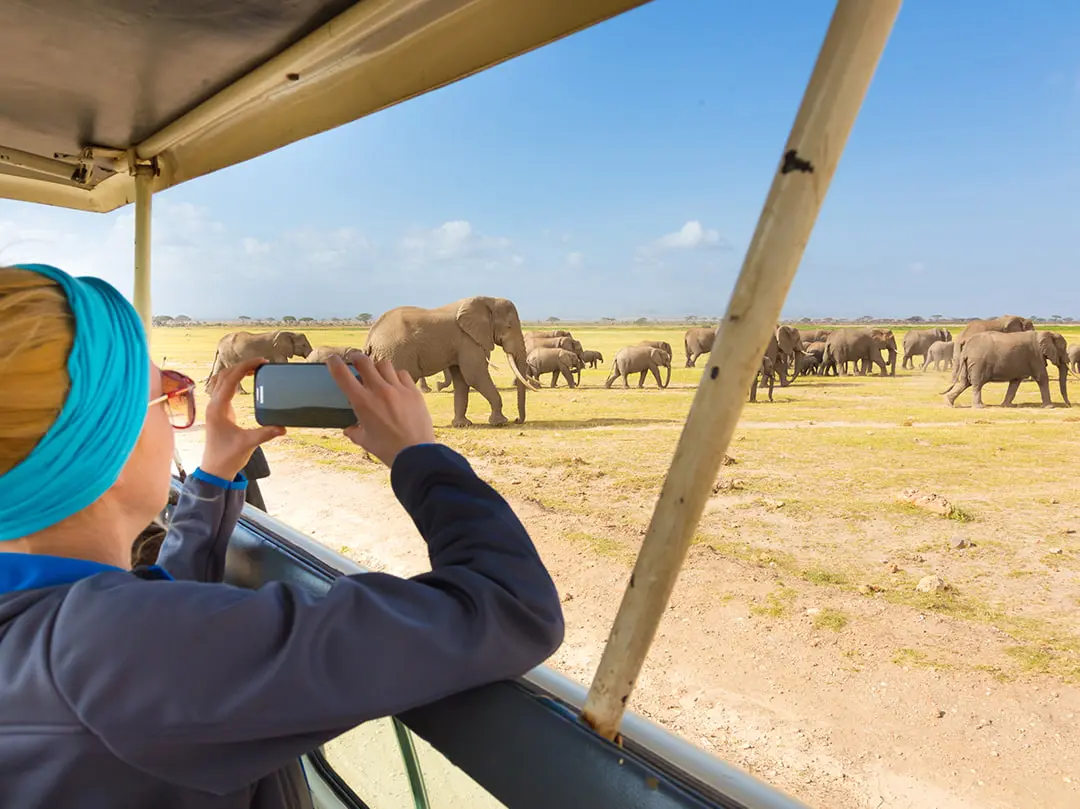
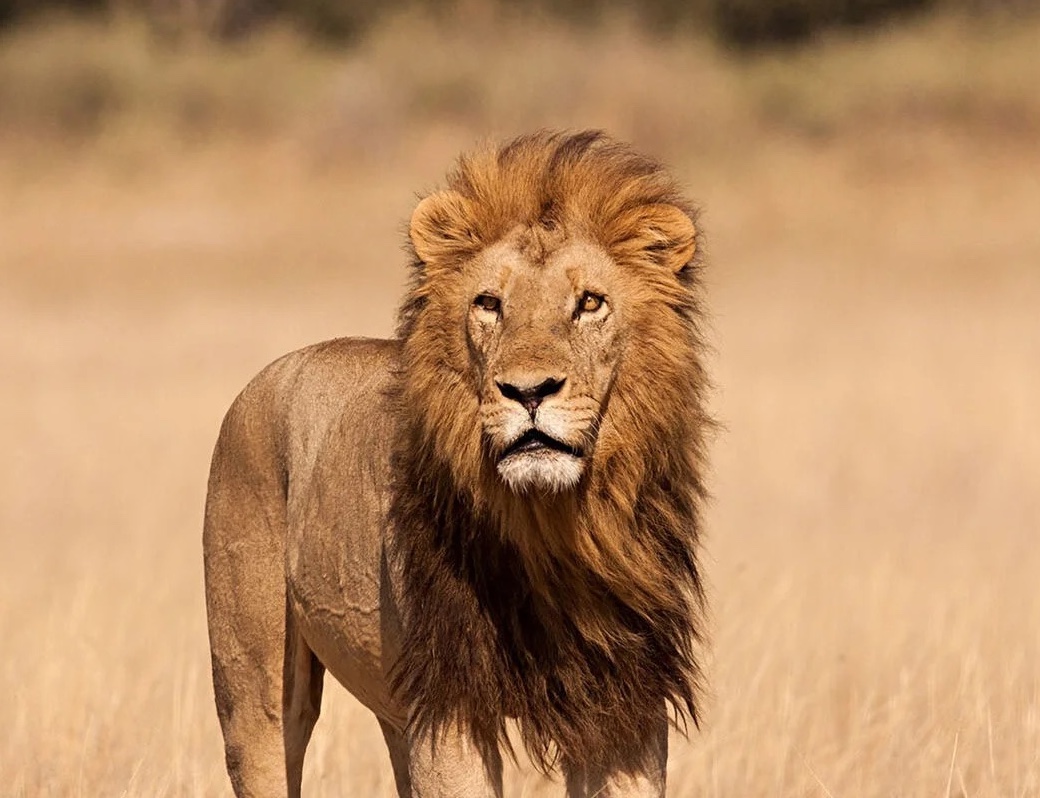
Large mammals such as elephants, giraffes, buffalo, and hippos are commonly seen, often in impressive numbers. Predators are a major highlight. The park is home to thousands of lions, along with healthy populations of leopards and cheetahs. With patience and an experienced guide, you may also spot serval cats, bat-eared foxes, and elusive nocturnal species.
The Serengeti is also one of the best places in Tanzania to see the Big Five, though black rhinos are rare and mostly found in protected areas of the ecosystem. Birdlife is equally rich, with over 500 species recorded, making the park rewarding even for non–big-game enthusiasts.
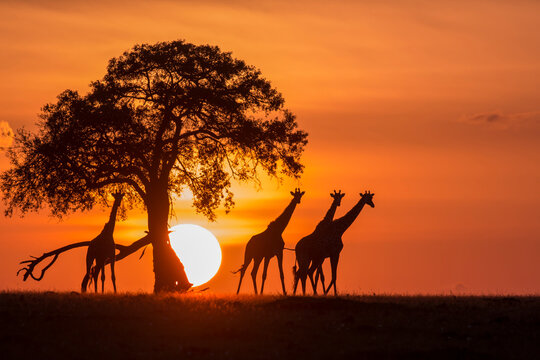
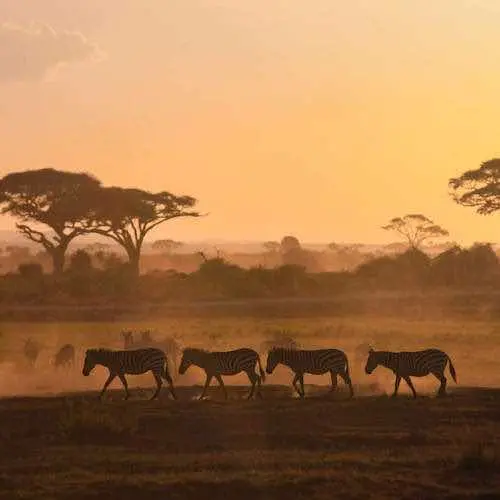
The Great Wildebeest Migration is the Serengeti’s most famous natural phenomenon and one of the greatest wildlife spectacles on the planet. Over two million wildebeest, zebras, and gazelles move continuously through the Serengeti–Mara ecosystem in search of fresh grazing.
It’s important to understand that the migration is not a single event but a year-round cycle, driven by rainfall rather than calendar dates. Depending on the time of year, you may witness calving season, massive herd movements, dramatic river crossings, or predator-filled plains.
From January to March, the migration is typically found in the southern Serengeti and Ndutu area, where calving takes place. Between June and July, the herds move through the western and central regions. From August to October, river crossings in the northern Serengeti offer some of the most dramatic safari moments, as animals brave crocodile-filled waters.
No matter when you visit, the Serengeti delivers powerful migration-related experiences—it’s simply a matter of being in the right place at the right time.
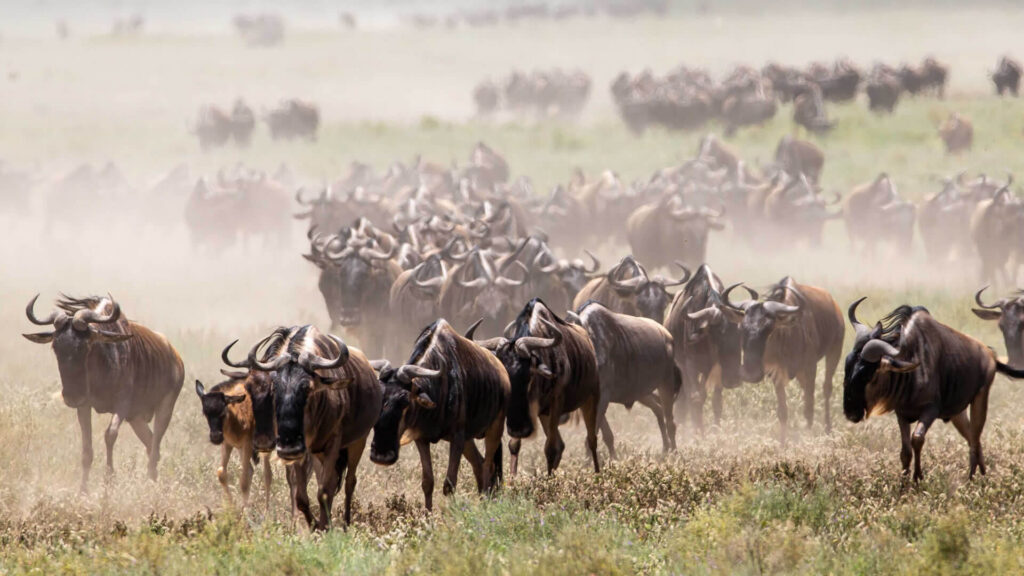
Choosing where to stay in the Serengeti is just as important as choosing when to go. The park is vast, and each region offers a different atmosphere and wildlife focus.
Central Serengeti (Seronera Area)
The Central Serengeti is the most popular and wildlife-rich area year-round. It’s known for its permanent water sources, which attract animals even during the dry season. Lion sightings are especially frequent here, and leopards are commonly seen along riverine areas.
This region is ideal for first-time visitors, travelers on shorter trips, or those seeking consistent wildlife viewing regardless of season.
Southern Serengeti (Ndutu Area)
The southern Serengeti and Ndutu area come alive between January and March during the calving season. Thousands of wildebeest calves are born each day, drawing intense predator activity and offering incredible photographic opportunities.
Accommodation here is often seasonal and more remote, creating an exclusive and immersive safari experience. This area is perfect for travelers visiting early in the year or those specifically interested in migration calving.
Western Serengeti (Grumeti Corridor)
The western corridor is best known for its river crossings along the Grumeti River, usually between May and July. Compared to other regions, it sees fewer visitors, giving it a more remote feel.
Wildlife viewing is excellent, especially for crocodiles, hippos, and predators following the migrating herds. This area suits travelers looking to avoid crowds while still experiencing migration drama.
Northern Serengeti (Kogatende & Mara River)
The northern Serengeti is famous for the Mara River crossings, typically occurring between August and October. These crossings are unpredictable and dramatic, often involving thousands of animals and powerful predator interactions.
This region is quieter for much of the year, making it ideal for travelers who value seclusion and want front-row access to one of nature’s most intense spectacles.
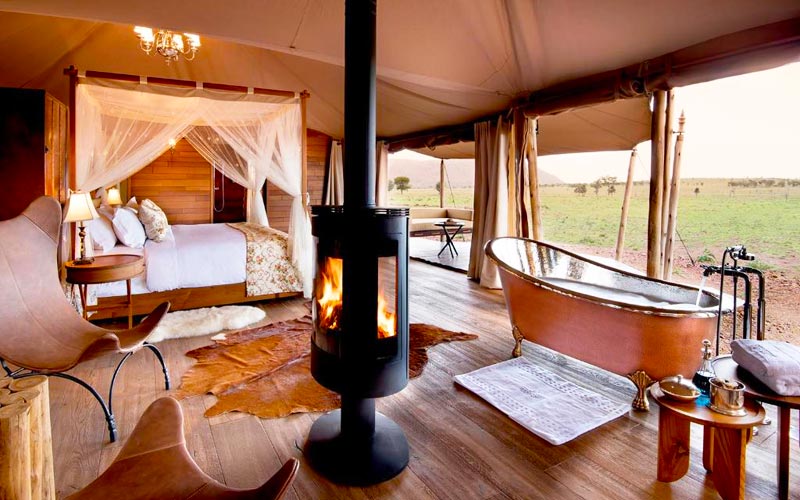
The Serengeti offers a wide range of accommodation styles, from mobile migration camps to permanent luxury lodges. Mobile camps move seasonally to follow the migration, placing guests close to wildlife action with minimal environmental impact.
Permanent lodges provide more amenities and are often located in areas with year-round game viewing. Tented camps, whether luxury or mid-range, offer a classic safari atmosphere that balances comfort with immersion in nature.
There is no single best time to visit the Serengeti—only the best time for what you want to experience. Wildlife viewing is excellent year-round, but the migration’s location changes with the seasons.
Dry months from June to October offer classic safari conditions and easier wildlife spotting, while the green season from January to March delivers lush landscapes, fewer crowds, and intense predator activity.
A Serengeti safari is more than a trip—it’s a journey into one of the last truly wild places on Earth. Whether you’re watching lions at dawn, witnessing a river crossing, or simply absorbing the silence of the plains, the Serengeti leaves a lasting impression few destinations can match.
With the right timing, the right location, and an experienced guide, your Serengeti safari will be unforgettable.
Speak with a Tanzania safari specialist to design a Serengeti itinerary perfectly matched to your travel dates and interests.