
The Ngorongoro Crater is one of Africa’s most extraordinary safari destinations. Descending into the world’s largest intact volcanic caldera feels like entering a natural amphitheater, where wildlife lives and thrives within towering crater walls. Nowhere else in Tanzania offers such a high concentration of animals in such a compact, scenic setting.
If you’re planning a safari in northern Tanzania, the Ngorongoro Crater is almost always a highlight. This guide explains what to expect during a crater safari, the wildlife you’re likely to see, and practical travel tips to help you make the most of your visit.
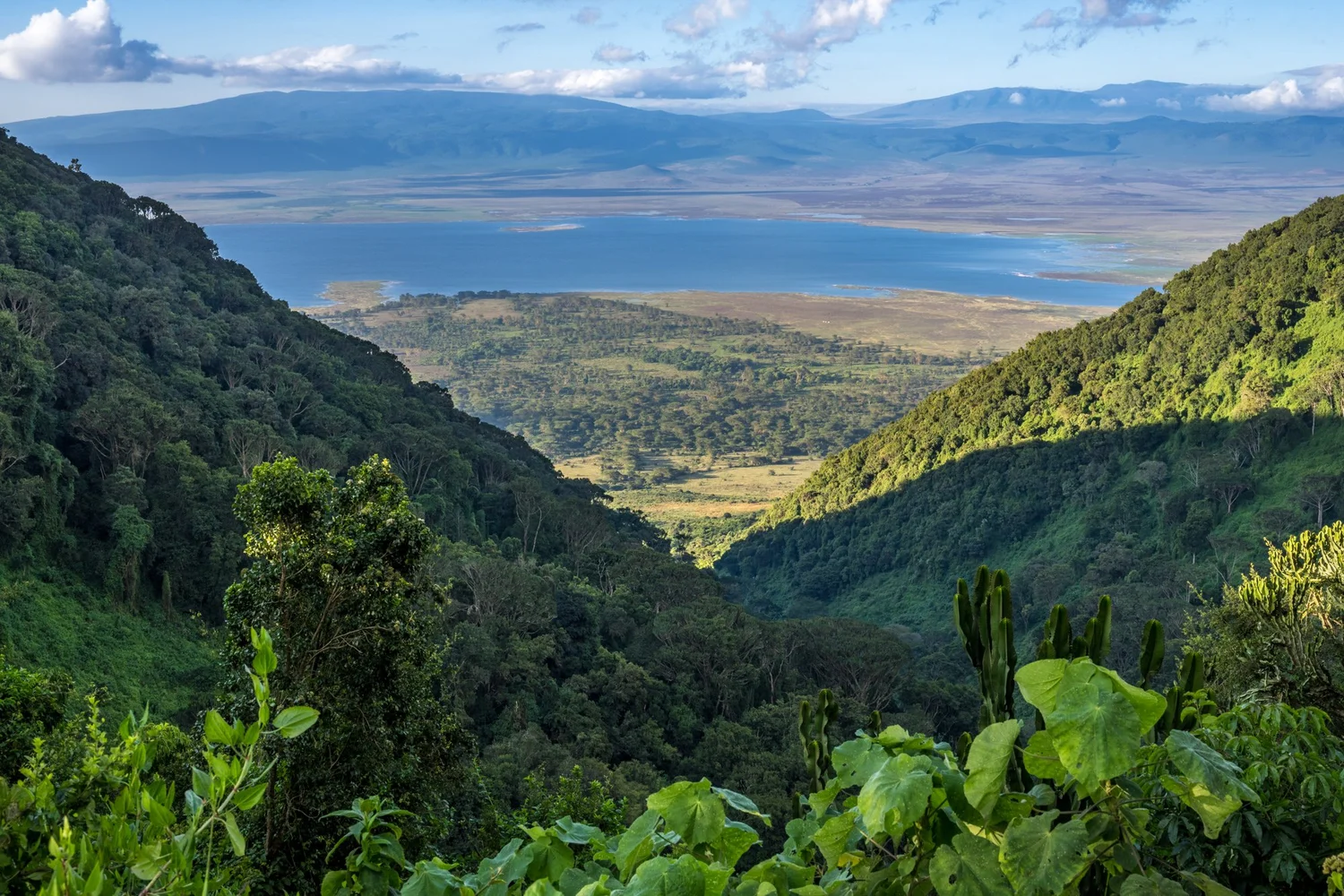
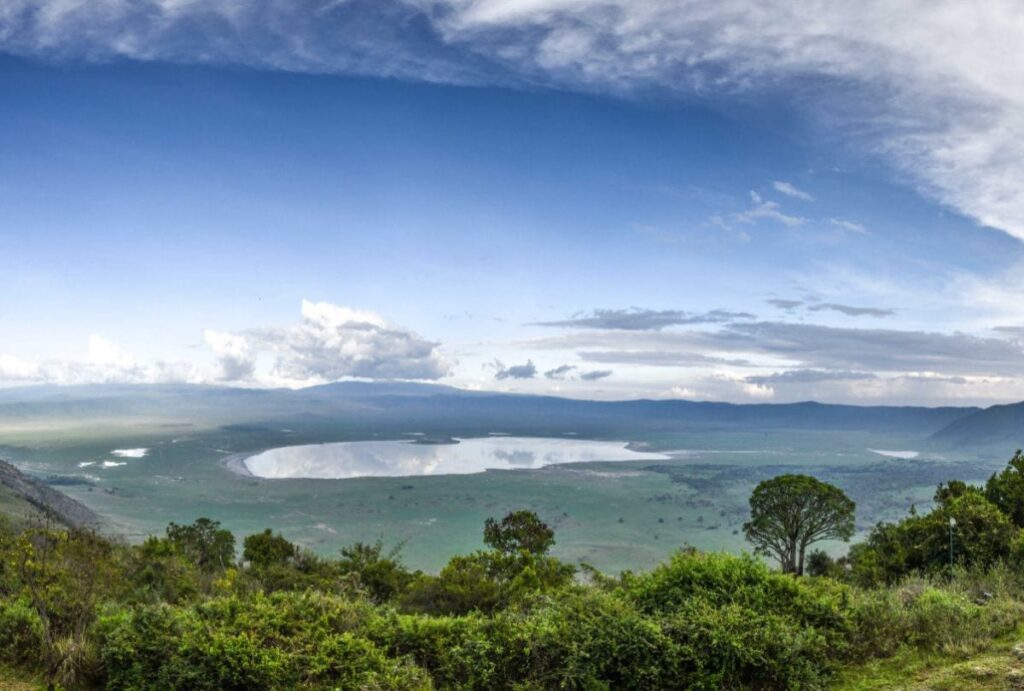
Formed millions of years ago after a massive volcanic eruption, the Ngorongoro Crater is a self-contained ecosystem covering about 260 square kilometers. Its steep walls create a natural enclosure, allowing wildlife to remain within the crater year-round.
Because animals rarely migrate in or out, the crater supports an incredibly high density of wildlife. This makes it one of the most reliable places in Africa to see a wide variety of species in a single game drive, often within just a few hours.
Beyond wildlife, the scenery is breathtaking. From the lush crater rim to the open grasslands, soda lakes, and acacia woodlands below, every part of the crater feels dramatic and cinematic.
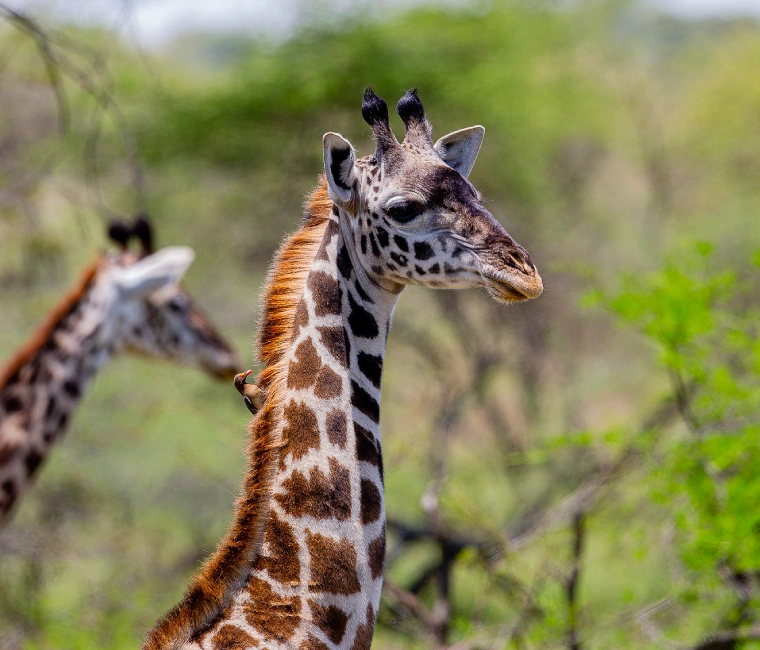
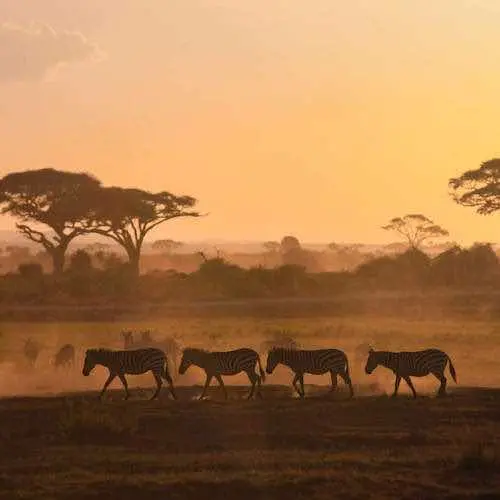
A Ngorongoro Crater safari offers some of the most consistent wildlife sightings in Tanzania. Large mammals such as elephants, buffalo, zebras, wildebeest, and hippos are seen regularly throughout the year.
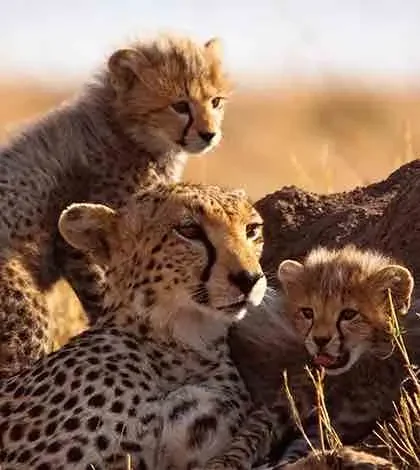
Predators are a major attraction. The crater is home to a strong population of lions, and sightings are frequent. Hyenas are common, often seen scavenging or interacting with lion prides. Leopards are present but more elusive, typically spotted in forested areas near the crater walls.
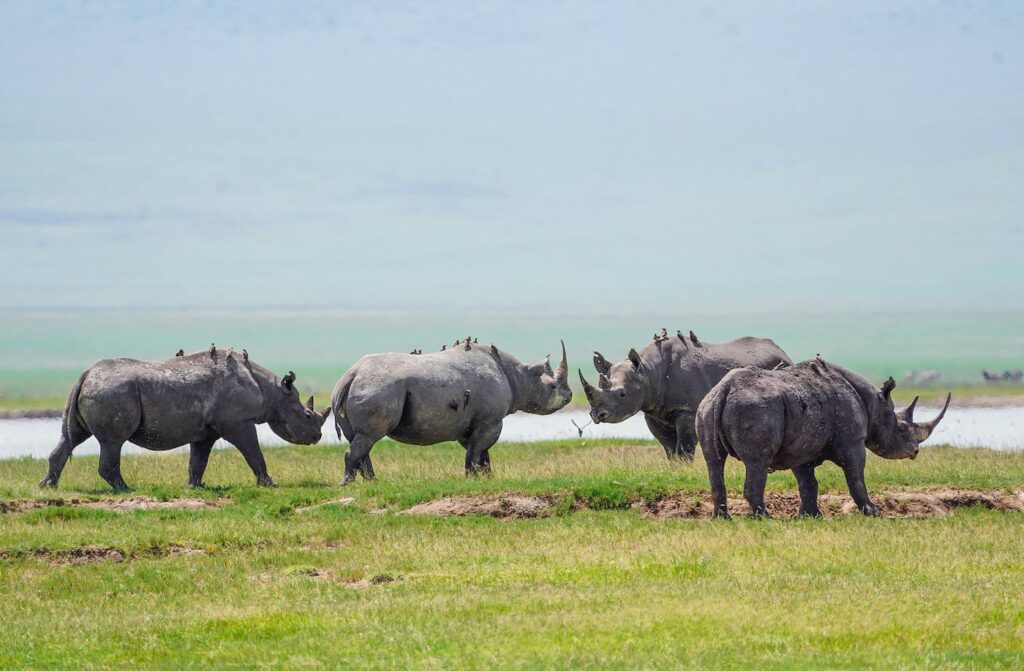
One of the crater’s most special residents is the endangered black rhinoceros. Ngorongoro is one of the few places in Tanzania where you have a realistic chance of seeing one in the wild, though sightings require patience and good timing.
Birdlife is equally impressive, particularly around Lake Magadi, where flamingos, pelicans, and other waterbirds gather.
Most crater safaris are conducted as half-day game drives, typically lasting between five and six hours. Vehicles descend the steep crater road early in the morning, when wildlife is most active.
Because of the crater’s popularity and limited access roads, you should expect to see other safari vehicles, especially during peak season. However, the abundance of wildlife usually means excellent sightings despite the crowds.
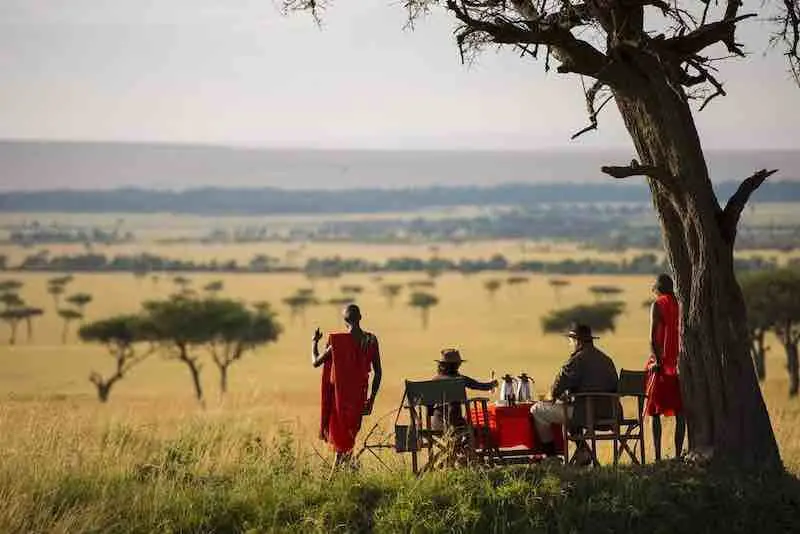
Game drives are conducted in 4×4 safari vehicles with pop-up roofs, allowing for excellent visibility and photography. Picnic lunches are usually enjoyed at designated spots within the crater, often near hippo pools.
The Ngorongoro Crater offers excellent wildlife viewing year-round, thanks to its permanent water sources and resident animal populations.
The dry season, from June to October, provides clear skies, cooler temperatures, and easier wildlife spotting. This period is also the busiest.
The green season, from November to May, brings lush landscapes and fewer visitors. Wildlife viewing remains strong, and birdwatching is particularly rewarding. Short rains rarely disrupt game drives, making this a great time for travelers seeking a quieter experience.
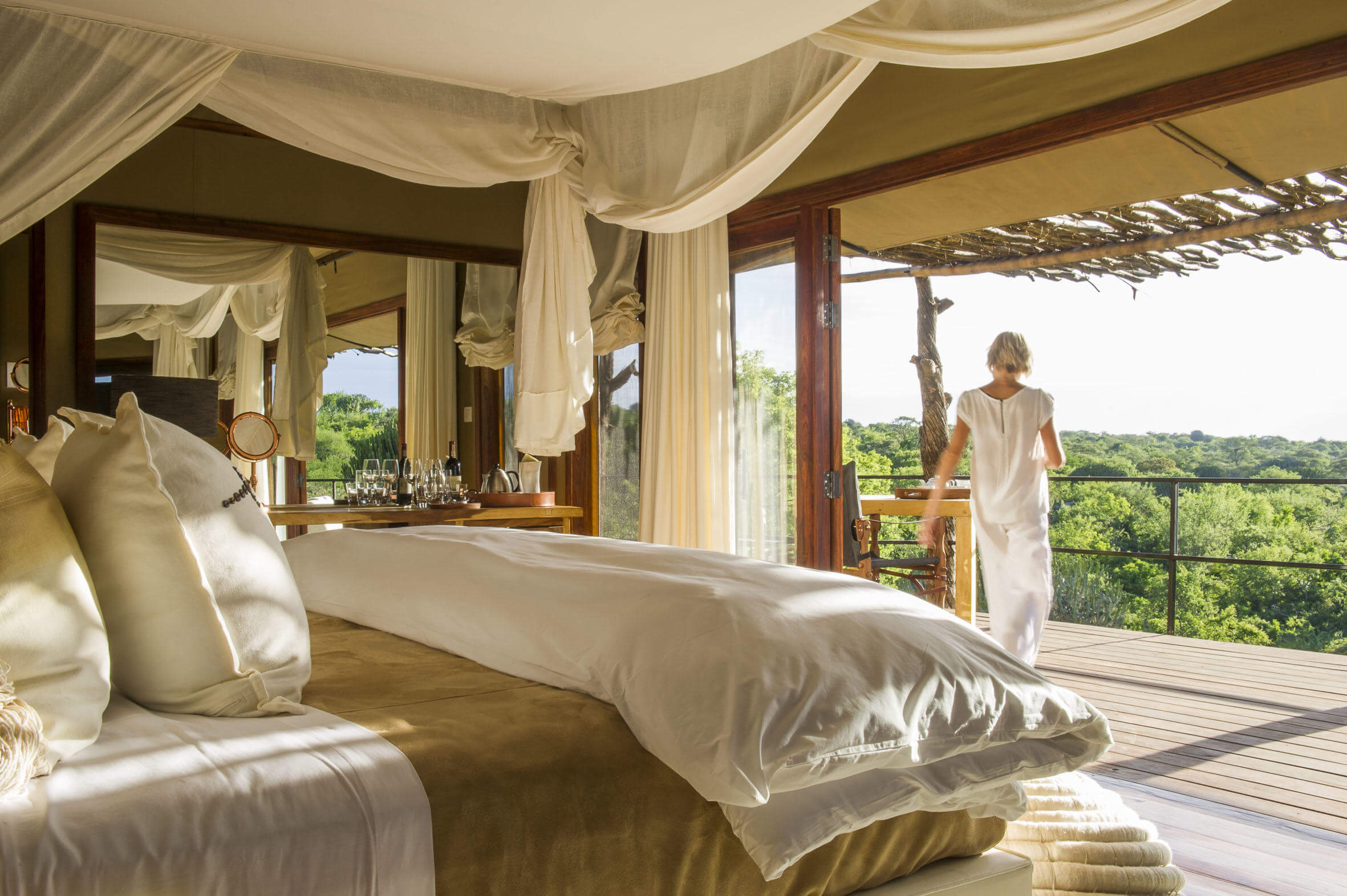
Accommodation options near Ngorongoro generally fall into two categories: crater rim lodges and lodges in the nearby town of Karatu.
Staying on the crater rim offers dramatic views and early access to the crater floor, but comes at a higher cost. These lodges are ideal for travelers prioritizing convenience and scenery.
Karatu, located outside the conservation area, offers a wider range of accommodations at more moderate prices. The drive to the crater takes longer, but many travelers find this a worthwhile trade-off for better value.
Preparation helps ensure a smooth and enjoyable safari experience. Mornings on the crater rim can be cold, so warm layers are essential. Once on the crater floor, temperatures rise quickly.
Because of altitude and winding roads, some travelers experience mild motion sickness. Carrying medication and taking it slow can help.
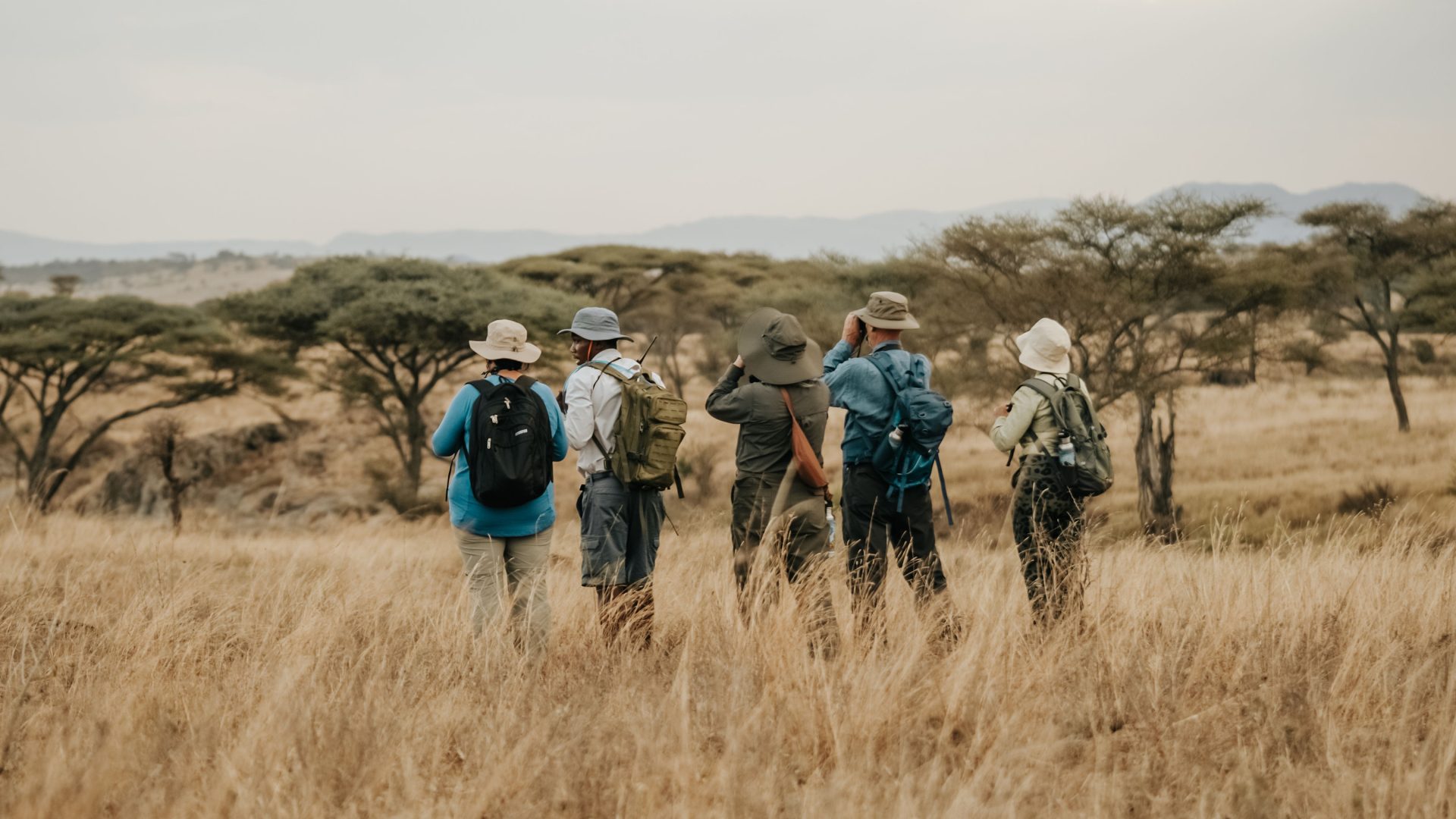
Respecting wildlife and following your guide’s instructions is crucial, especially in such a densely populated ecosystem. Staying in the vehicle at all times, except at designated picnic areas, ensures safety for both visitors and animals.
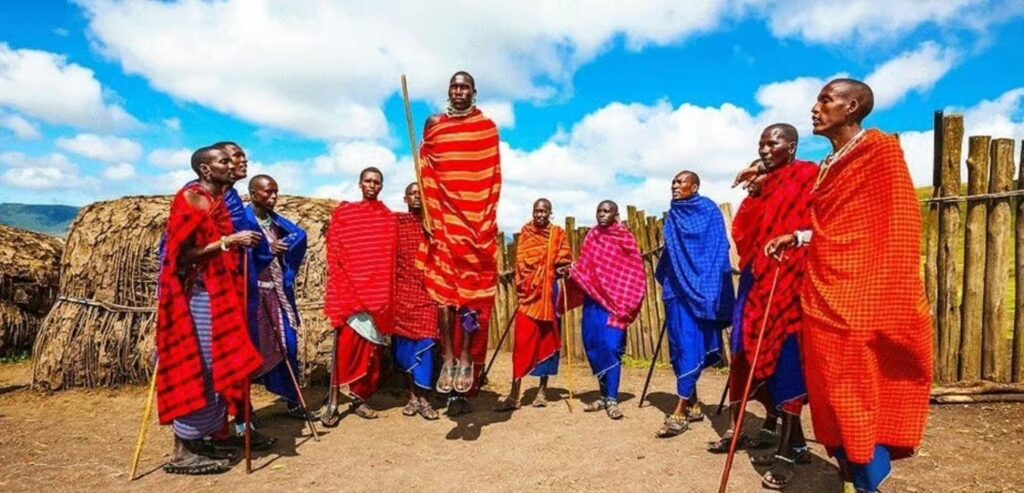
Ngorongoro is not just a wildlife destination—it is also home to the Maasai people, who live alongside wildlife within the conservation area. This unique balance between human culture and wildlife conservation makes Ngorongoro unlike any national park in Africa.
Visitor fees contribute directly to conservation efforts and community development, helping protect this remarkable ecosystem for future generations.
A Ngorongoro Crater safari delivers one of the most concentrated and visually stunning wildlife experiences in Africa. While it may be busier than other parks, the sheer diversity of animals, dramatic landscapes, and chance to see rare species make it an essential part of any Tanzania safari.
With the right expectations and thoughtful planning, a visit to Ngorongoro Crater will be one of the highlights of your journey.
Contact a Tanzania safari expert to plan your Ngorongoro Crater experience seamlessly and responsibly.