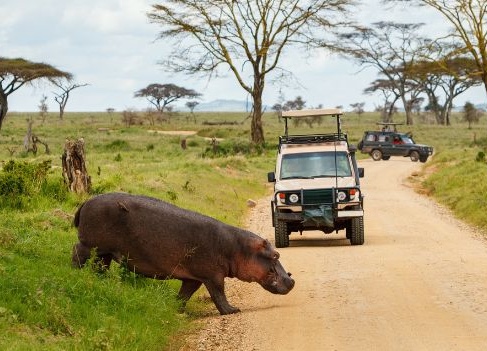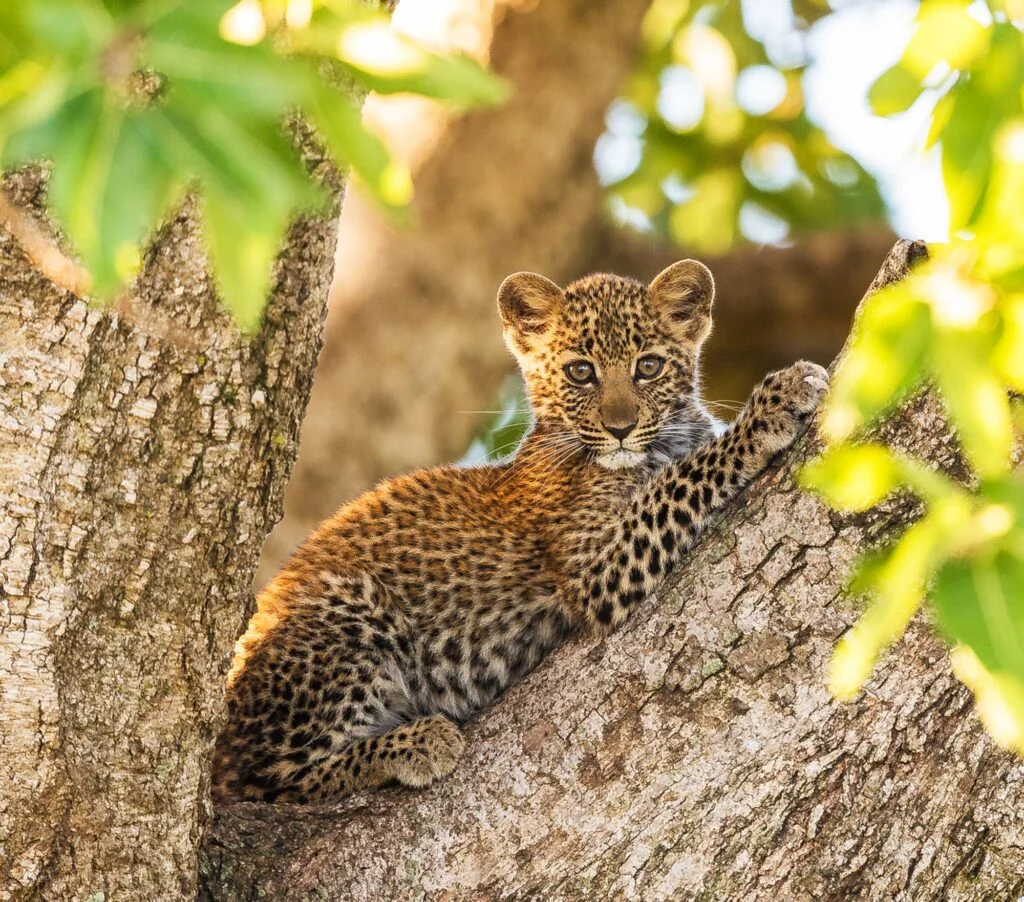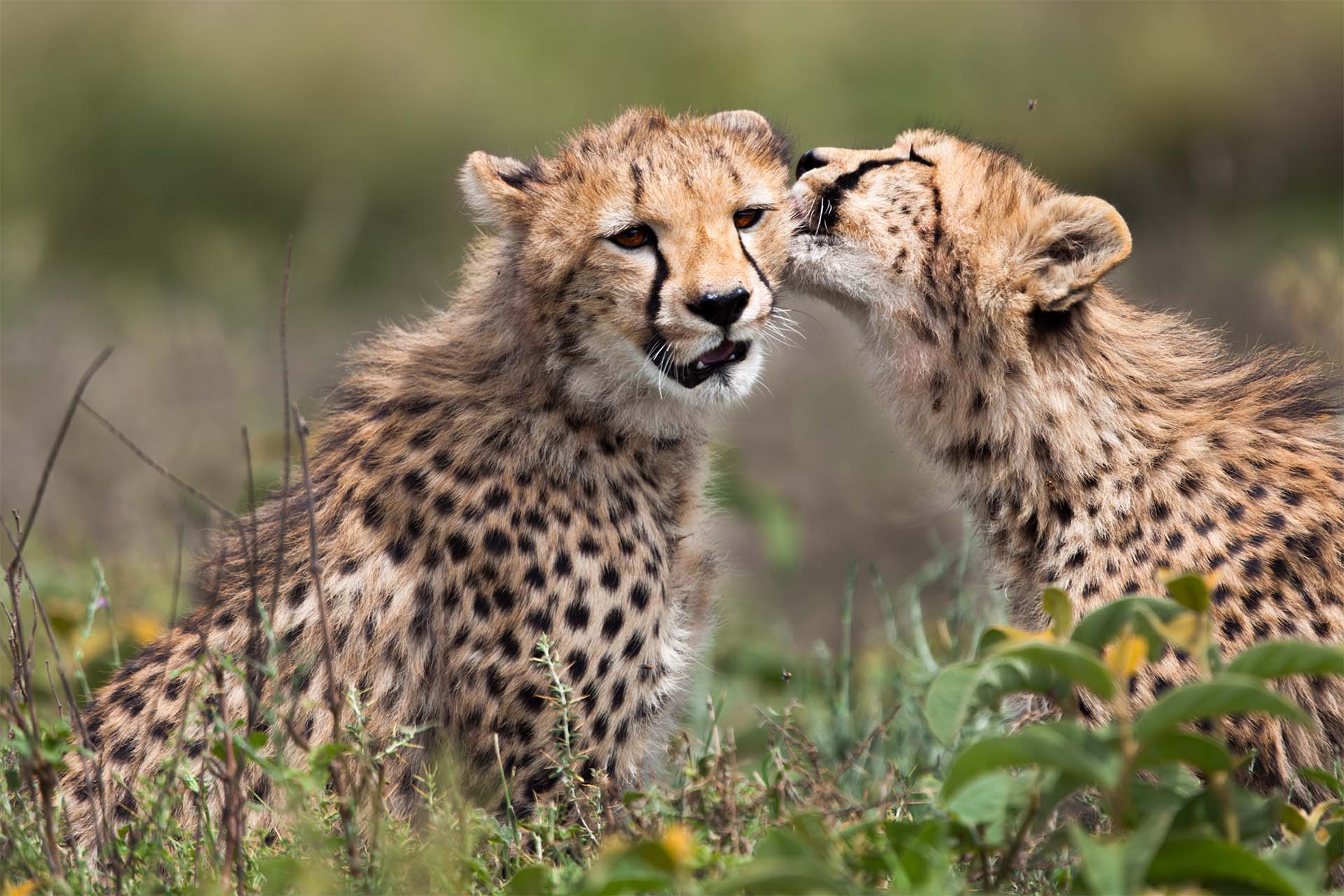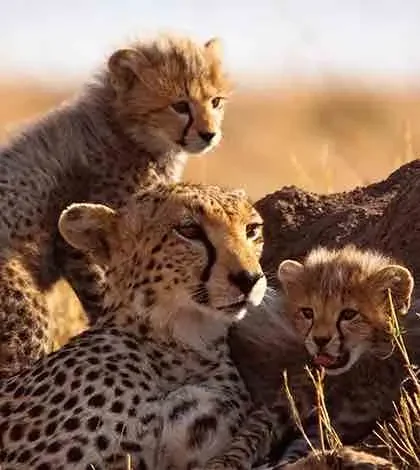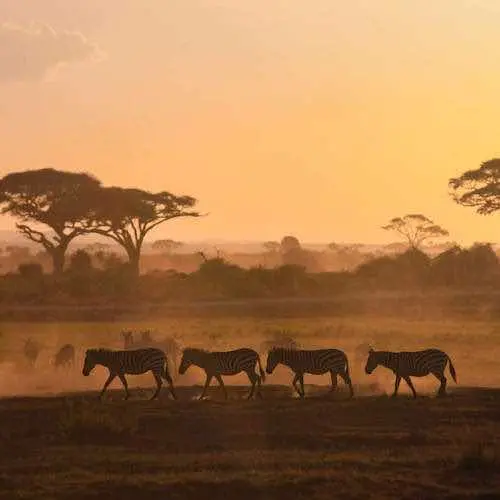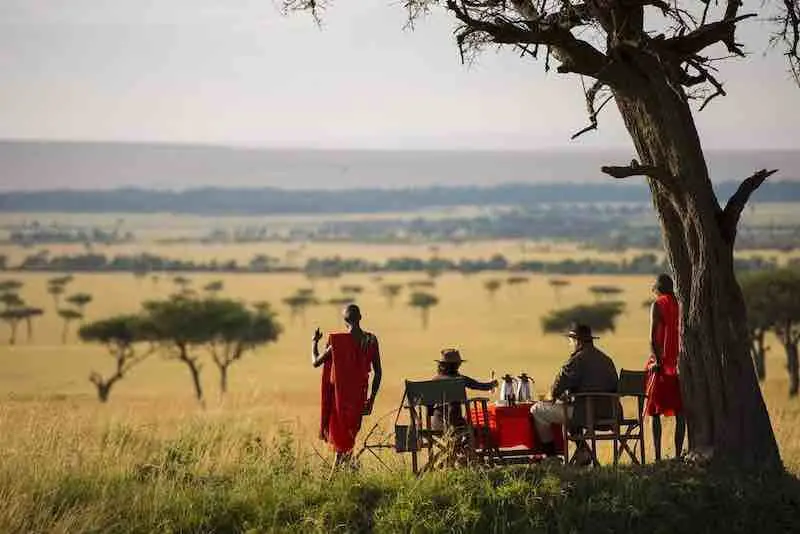

A walking safari in Northern Tanzania offers a completely different way to experience the African wilderness. Instead of viewing wildlife from a vehicle, you explore the land on foot—moving slowly, observing closely, and connecting deeply with nature. It’s an immersive, sensory-rich experience that reveals the smaller details often missed on traditional game drives.
For travelers seeking a more intimate and educational safari, walking safaris provide a powerful sense of presence and adventure.
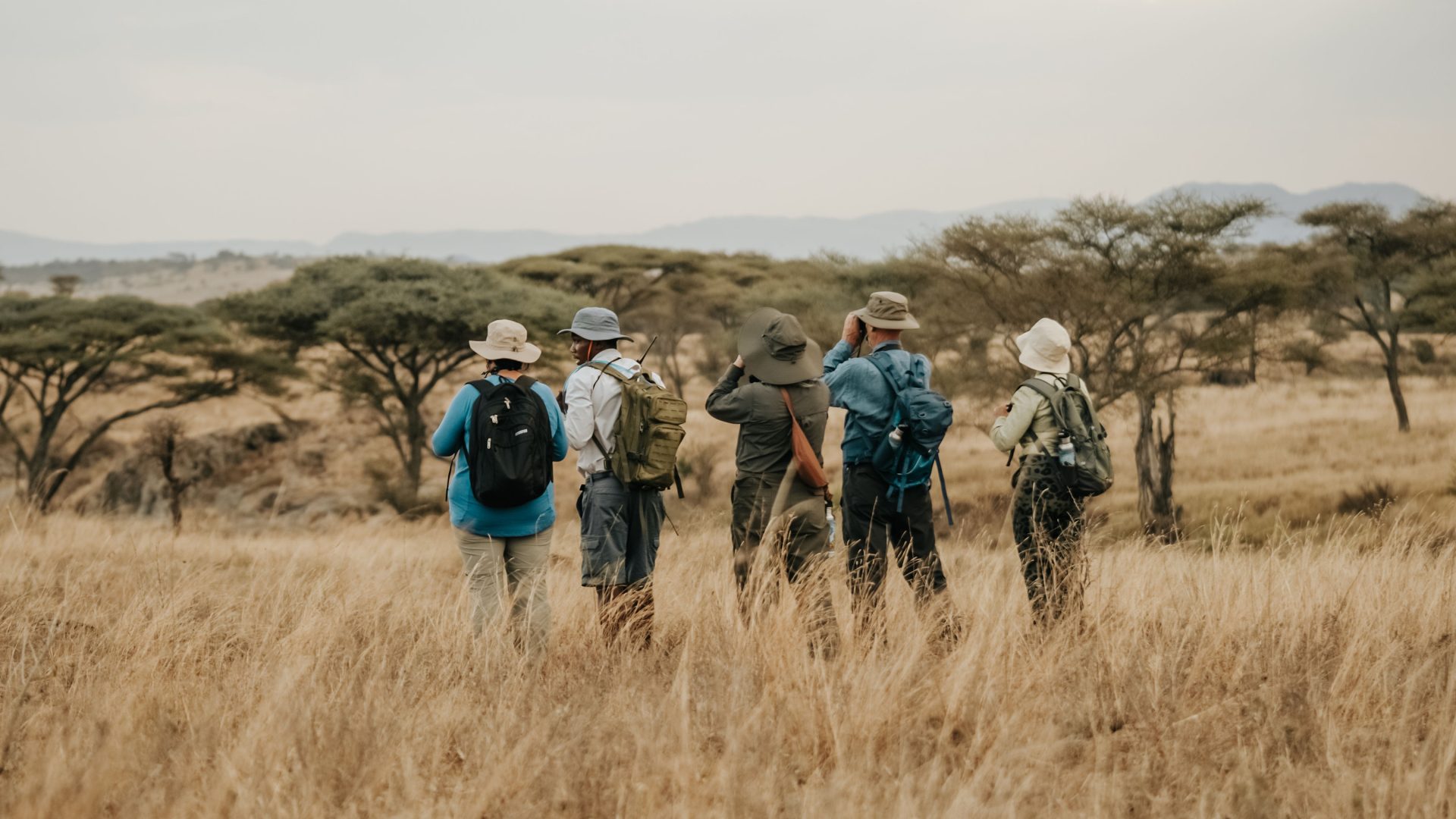
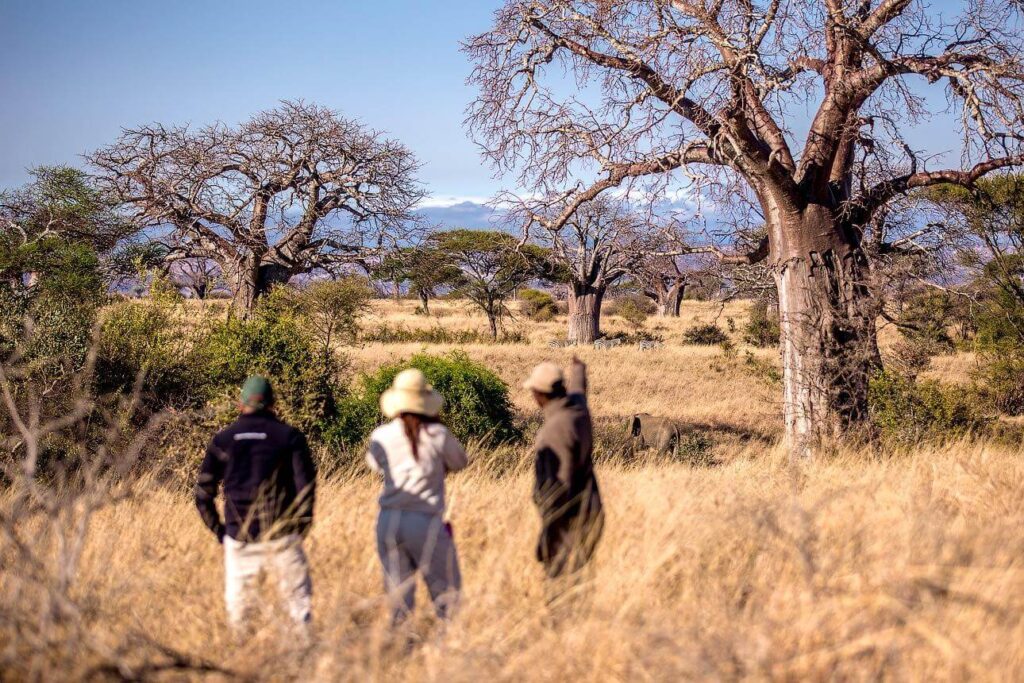
A walking safari is a guided nature walk led by a professional safari guide and armed ranger, designed to explore wildlife areas safely on foot. These safaris focus less on chasing big animals and more on understanding ecosystems, animal behavior, tracks, plants, birds, and the rhythm of the land.
In Northern Tanzania, walking safaris are carefully regulated and conducted only in approved areas to ensure both guest safety and wildlife protection.
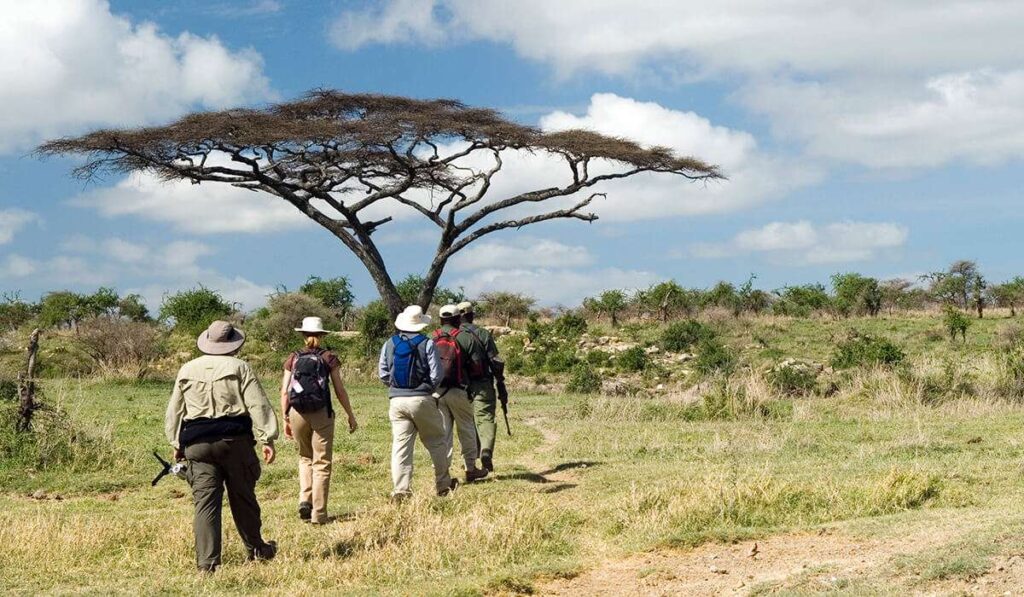
While walking safaris are more common in southern Tanzania, there are select locations in the north where they are permitted and highly rewarding.
Arusha National Park
Arusha National Park is one of the best places in Northern Tanzania for walking safaris. With its diverse landscapes—lush forests, open grasslands, and views of Mount Meru—it offers safe and scenic walking routes.
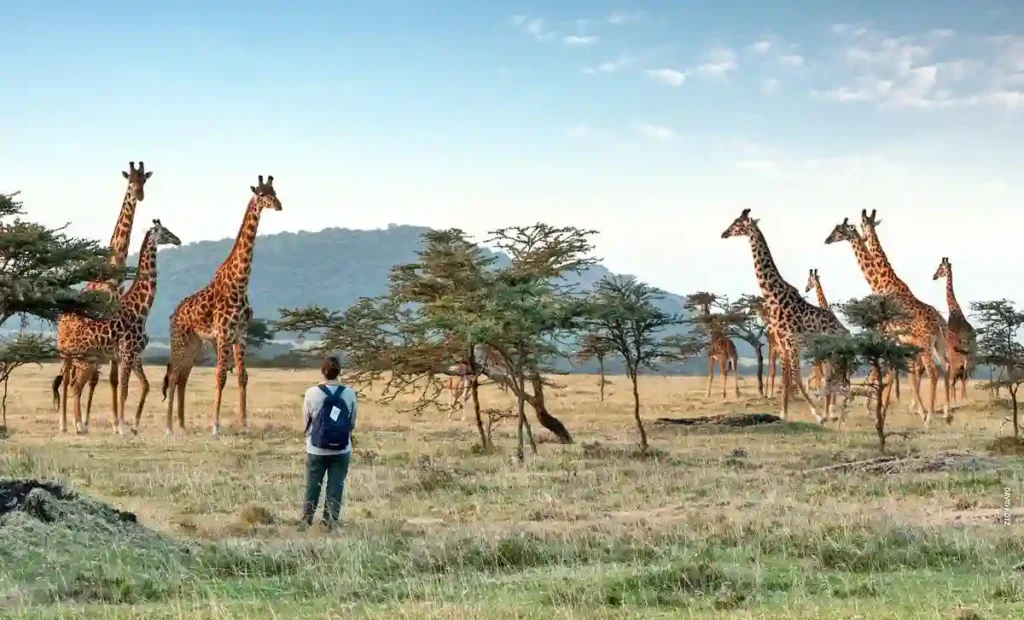
Here, you may encounter giraffes, buffaloes, warthogs, monkeys, and a wide variety of birdlife, all while enjoying stunning mountain and crater views.
Ngorongoro Conservation Area (Outside the Crater)
While walking is not allowed inside the Ngorongoro Crater itself, guided walks are permitted in designated areas of the wider Ngorongoro Conservation Area.
These walks often focus on:
The experience blends nature exploration with cultural insight, offering a deeper understanding of how people and wildlife coexist.
Lake Manyara Surroundings
In areas surrounding Lake Manyara National Park, guided nature walks may be arranged in conservation zones and community-managed areas. These walks emphasize birdlife, vegetation, and the unique ecosystem of the Rift Valley.
Walking safaris are not about close encounters with predators. Instead, they offer a chance to observe wildlife from a respectful distance and learn how animals use the land.
Common sightings include:
Your guide will also point out animal tracks, droppings, nests, and signs of recent activity turning the walk into a living classroom.
Safety is the top priority on any walking safari. Walks are led by experienced, licensed guides and accompanied by an armed ranger where required. Routes are carefully selected based on wildlife movement and environmental conditions.
Before the walk begins, guests receive a safety briefing covering:
Walking safaris are calm, controlled, and designed to be comfortable—even for first-time participants.
Proper preparation enhances the experience. For walking safaris, comfortable and neutral clothing is essential.
Recommended items include:
Avoid bright colors and noisy accessories to keep the experience quiet and natural.
Walking safaris are ideal for travelers who:
They are especially popular with repeat safari visitors and travelers seeking something beyond the classic game drive.
Walking safaris are not a replacement for game drives—they are a perfect complement. While vehicles allow you to cover large areas and see big predators, walking safaris offer depth, detail, and connection.
Combining both gives you:
This balance creates a richer, more meaningful journey.
At Tanzania Travel Agent, we carefully select safe, rewarding walking safari locations and experienced guides who know how to make the experience educational and enjoyable.
We ensure:
Our goal is to help you experience Tanzania’s wilderness in a way that feels natural, respectful, and unforgettable.
Walking safaris in Northern Tanzania offer a rare chance to slow down and truly understand the African landscape. From animal tracks and bird calls to sweeping views and cultural insights, every step brings a deeper connection to the land.
Contact Tanzania Travel Agent to include a walking safari in your Northern Tanzania itinerary.
Experience the wild not just by seeing it—but by walking through it.